



The Belt and Road Initiative ——Our Shared Path | 70 Years of China-Egypt Diplomatic Ties: The "Hot Spring" Surges Toward the Future
A report from Jinyun news reporters Apr. 17th, 2026:
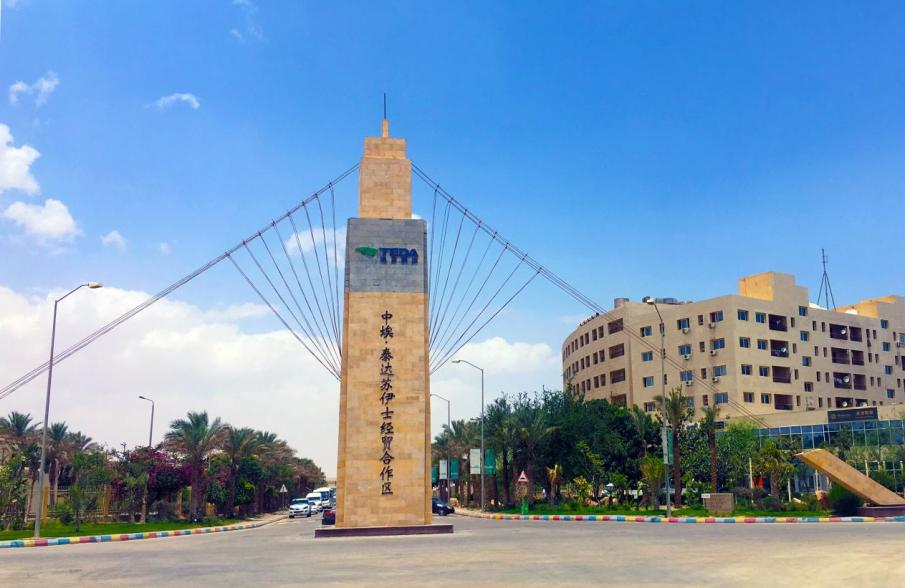
2026 marks the 70th anniversary of diplomatic relations between China and African countries, and the year has also been designated the "China-Africa Year of People-to-People Exchanges" by leaders from both sides. As the first Arab and African nation to establish diplomatic ties with the People’s Republic of China, Egypt has long been a trusted friend and a strategic partner. The China-Egypt TEDA Suez Economic and Trade Cooperation Zone (hereinafter referred to as "TEDA Cooperation Zone"), located in Egypt’s Ain Sokhna, stands as a prime example of deepening practical cooperation between the two countries. It bears witness to the growing China-Egypt friendship built on mutual benefit and win-win cooperation, and has become a landmark project linking the Belt and Road Initiative with Egypt’s Suez Canal Corridor Development Project.
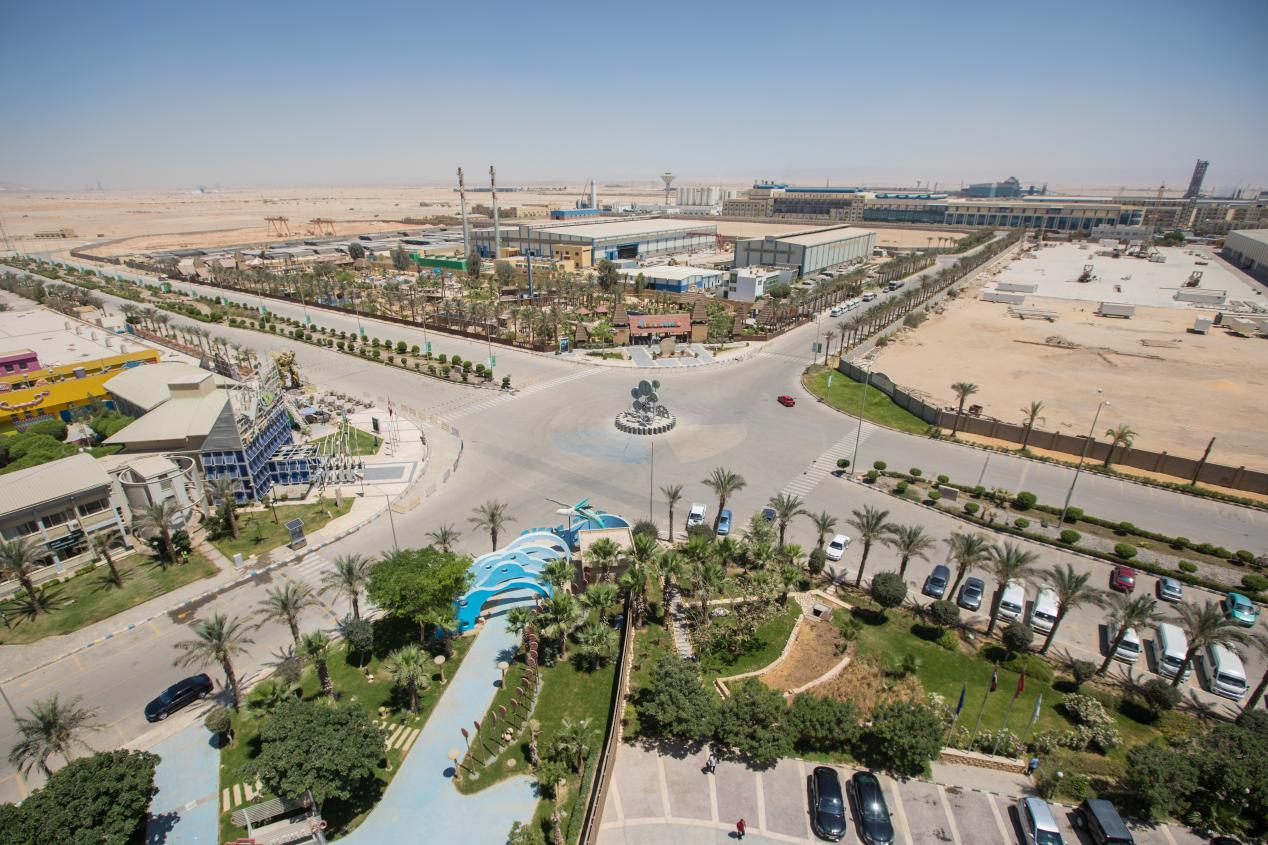
Back in 2008, the first group of resident staff sent to Egypt arrived in Ain Sokhna. At that time, this land, later known as the "Hot Spring", the Arabic meaning of Ain Sokhna, was nothing but the barren desert. The builders overcame countless challenges to accelerate construction of the zone in the Gobi-like terrain, demonstrating “China Speed” through their actions.
At the time, the project management team had only four members. They faced a massive task: designing, tendering, constructing, and furnishing 70,000 square meters of buildings, plus 60,000 square meters of infrastructure and landscaping, within one year.
The early days brought challenges not only from the harsh natural environment, but also from different development concepts between the Chinese and Egyptian teams. The Chinese side hoped to adapt and “replicate” TEDA's successful industrial park model from Tianjin to Egypt, but soon encountered conflicting ideas. The Chinese team believed in “building a nest to attract phoenixes” and concentrating resources to get things done, prioritizing infrastructure development and platform building to facilitate enterprise settlement. The Egyptian side, however, took a more conservative approach, emphasizing steady growth. They wanted to attract investment and see returns before developing the zone further, concerned that upfront investment might not yield quick returns.
To ease the Egyptian team’s concerns, the team used successful cases from TEDA's industrial park in Tianjin, China, to explain in detail how early infrastructure investment would lead to future enterprise arrivals and industrial growth, helping the Egyptian side clearly see the long-term value. Respecting Egypt’s emphasis on steady development, the Chinese side adjusted their plans flexibly, proposing phased and sectional construction of the zone. They prioritized the core area and basic facilities, using visible progress to ease doubts. They also invited Egyptian staff to visit the construction site, allowing them to see the standards, progress, and quality firsthand, proving that the Chinese plan was scientific and feasible. As results began to emerge, China’s advanced park development concepts gradually gained the recognition and acceptance from Egyptian team’s. The two sides reached consensus through joint consultation and construction, laying a solid foundation for the zone’s high-quality development.
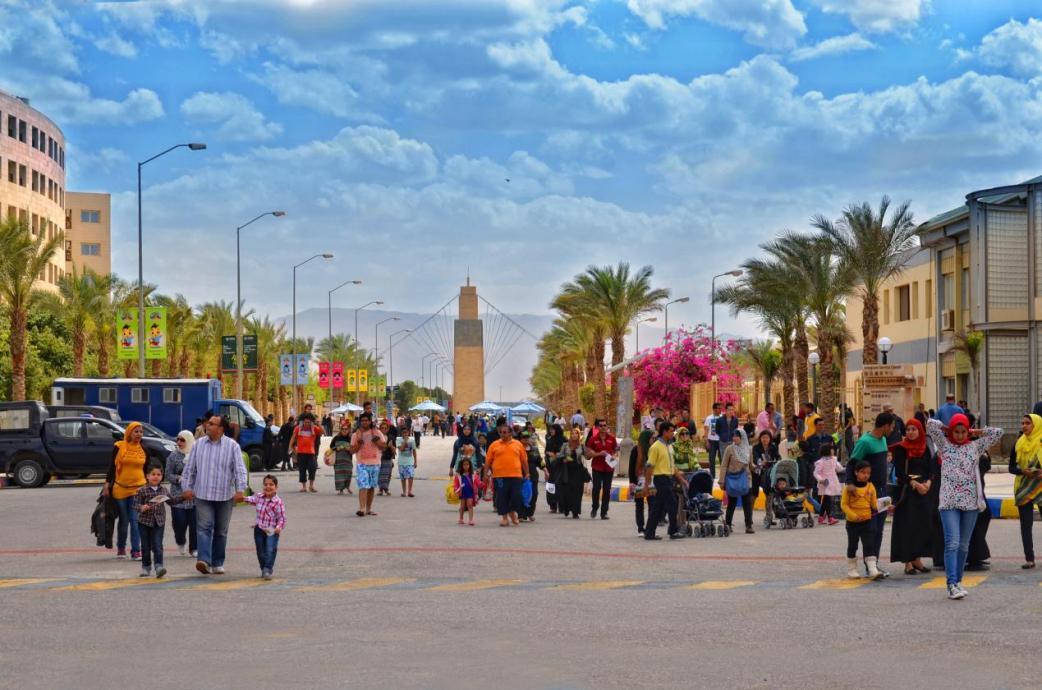
Also growing alongside this land is Nahla, CEO of the TEDA Special Area Development Company of Egypt. From a fresh college graduate to the Egyptian head responsible for investment and operations of the TEDA SETC Zone Extension Zone, she has witnessed firsthand how the Belt and Road Initiative turned “the unexpected” into reality. “Sixteen years ago, you could barely buy a bottle of water or any food here,” Nahla recalls with emotion. Today, the Zone has a four-star hotel and a full range of services, becoming a warm home for investors and zone staff alike. In her view, the Belt and Road Initiative has propelled the Zone’s leap forward, creating an open, inclusive, and diverse industrial ecosystem. For example, Jushi Egypt for Fiberglass Industry S.A.E, with its high-tech “Made in China” products, helped Egypt, once not a fiberglass producing country, become the world’s fourth-largest fiberglass manufacturer, filling the fiberglass industry gap in the Middle East and Africa. The Zone’s growth has also boosted surrounding areas, forming a positive cycle with Egypt’s New Administrative Capital, New Suez City, and Ain Sokhna Port. What was once a remote area has now become one of the top investment destinations in Africa and beyond.
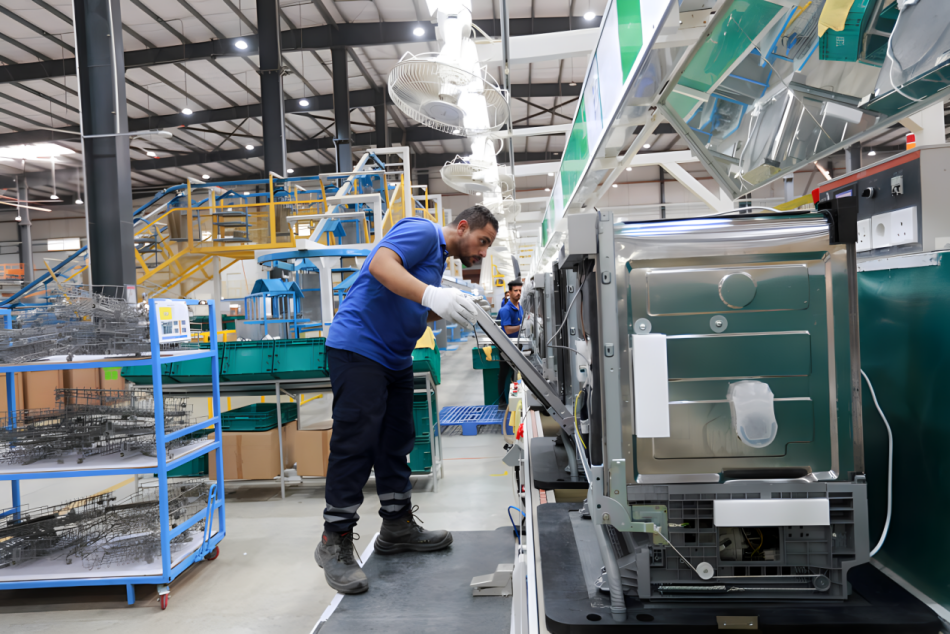
So far, the Zone has attracted more than 200 enterprises with about $3.8 billion in investment, total sales exceeding $6.6 billion, nearly $310 million in taxes paid, and more than 10,000 local jobs created. Leading Chinese companies and international firms from Egypt, the UAE, Germany, and other nations flourish here, forming a complete industrial chain with “horizontal clusters and vertical linkages.”
Seventy years into China-Egypt diplomatic ties, our original aspiration remains firm. As the Belt and Road Initiative continues to advance steadily, we are writing new chapters together. Rising from the desert, the China-Egypt TEDA Suez Economic and Trade Cooperation Zone embodies the sweat and wisdom of Chinese and Egyptian builders. It has not only advanced Egypt’s industrialization and filled multiple industrial gaps, but also built a bridge for cultural integration and win-win cooperation between China and Egypt. On this shared journey of the Belt and Road initiative, China and Egypt will continue to move forward hand in hand, making the “Hot Spring” of the TEDA SETC Zone surge with greater vitality, passing down China-Egypt friendship through deepening cooperation, and injecting lasting momentum into comprehensive cooperation and common development in the new era.


 津公网安备 12019002000128号